




















Nori Rat Cytokeratin-19 ELISA Kit
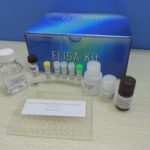
Price range: $508.00 through $916.00
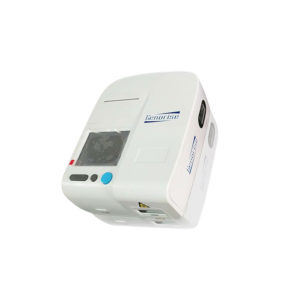
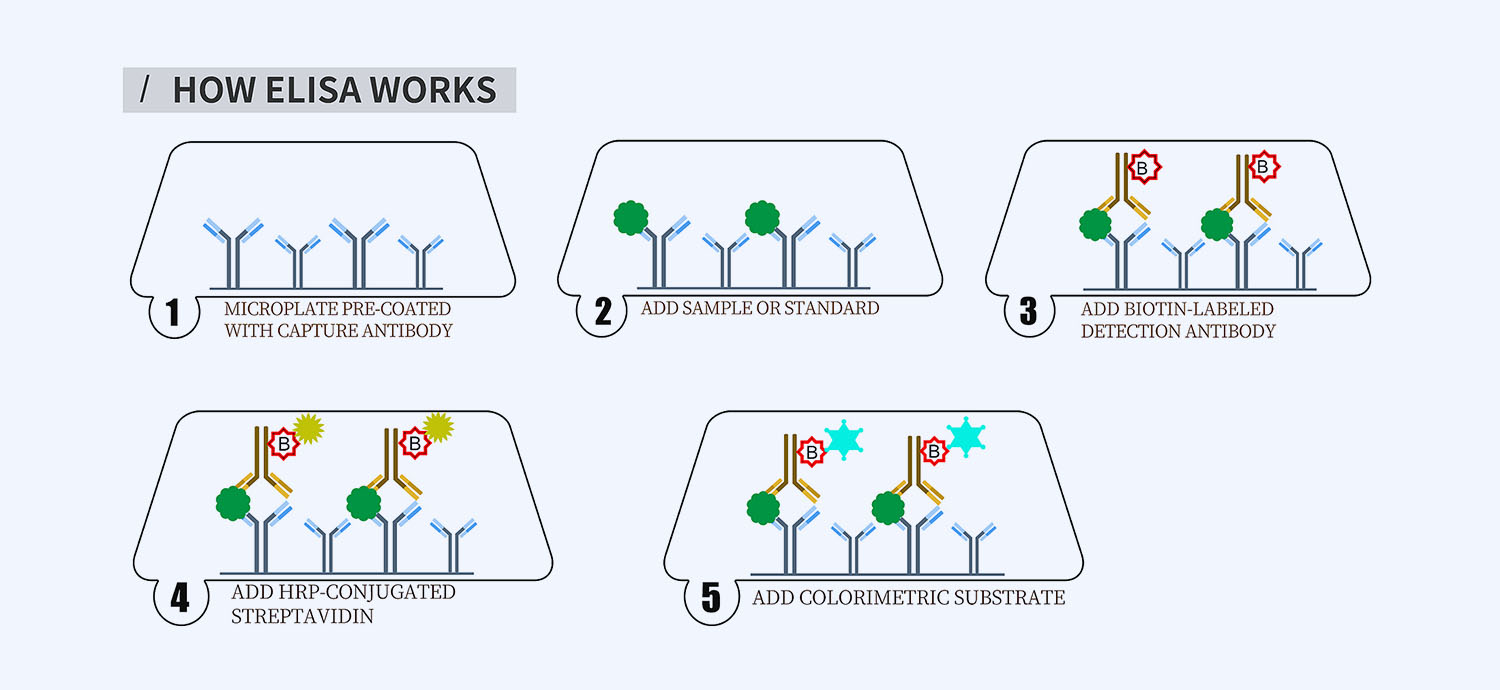
This ELISA kit is for quantification of CK-19 in rat. This is a quick ELISA assay that reduces time to 50% compared to the conventional method, and the entire assay only takes 3 hours. This assay employs the quantitative sandwich enzyme immunoassay technique and uses biotin-streptavidin chemistry to improve the performance of the assays. An antibody specific for CK-19 has been pre-coated onto a microplate. Standards and samples are pipetted into the wells and any CK-19 present is bound by the immobilized antibody. After washing away any unbound substances, a detection antibody specific for CK-19 is added to the wells. Following wash to remove any unbound antibody reagent, a detection reagent is added. After intensive wash a substrate solution is added to the wells and color develops in proportion to the amount of CK-19 bound in the initial step. The color development is stopped, and the intensity of the color is measured.
Alternative names for cytokeratin-19: CK-19, type I cytoskeletal 19, keratin-19, K-19, KRT19
This product is for laboratory research use only not for diagnostic and therapeutic purposes or any other purposes.
- Description
- How Elisa Works
- Product Citations (3)
- Reviews (0)
Description
Nori Rat Cyotokeratin-19 ELISA Kit Summary
Alternative names for Cytokeratin-19: CK-19, keratin-19, K-19, type I, KRT19 cytoskeletal 19
| Assay Type | Solid Phase Sandwich ELISA |
| Format | 96-well Microplate or 96-Well Strip Microplate |
| Method of Detection | Colorimetric |
| Number of Targets Detected | 1 |
| Target Antigen Accession Number |
Q63279 |
| Assay Length | 3 hours |
| Quantitative/Semiquantitative | Quantitative |
| Sample Type | Plasma, Serum, Cell Culture, Urine, Cell/Tissue Lysates, Synovial Fluid, BAL, |
| Recommended Sample Dilution (Plasma/Serum) | No dilution for sample <ULOQ; sufficient dilution for samples >ULOQ |
| Sensitivity | 6 pg/mL |
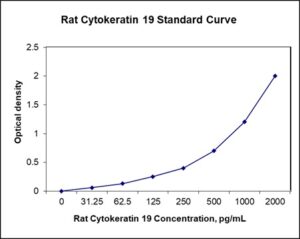
| Detection Range | 31.25-2000 pg/mL |
| Specificity | Rat CK-19 |
| Cross-Reactivity | < 0.5% cross-reactivity observed with available related molecules, < 50% cross-species reactivity observed with species tested. |
| Interference | No significant interference observed with available related molecules |
| Storage/Stability | 4 ºC for up to 6 months |
| Usage | For Laboratory Research Use Only. Not for diagnostic or therapeutic use. |
| Additional Notes | The kit allows for use in multiple experiments. |
Standard Curve
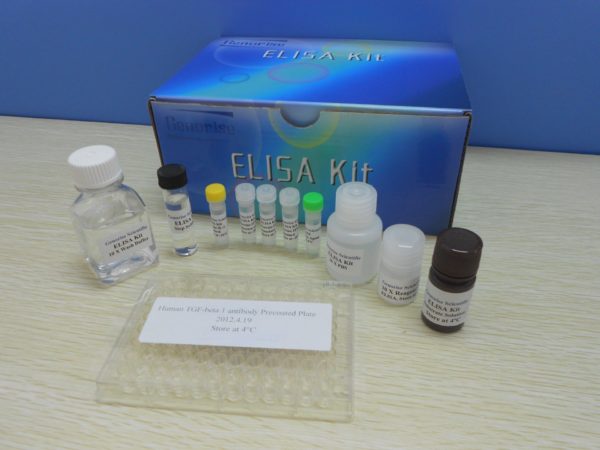
Kit Components
1. Pre-coated 96-well Microplate
2. Biotinylated Detection Antibody
3. Streptavidin-HRP Conjugate
4. Lyophilized Standards
5. TMB One-Step Substrate
6. Stop Solution
7. 20 x PBS
8. Assay Buffer
Other Materials Required but not Provided:
1. Microplate Reader capable of measuring absorption at 450 nm
2. Log-log graph paper or computer and software for ELISA data analysis
3. Precision pipettes (1-1000 µl)
4. Multi-channel pipettes (300 µl)
5. Distilled or deionized water
Protocol Outline
1. Prepare all reagents, samples and standards as instructed in the datasheet.
2. Add 100 µl of Standard or samples to each well and incubate 1 h at RT.
3. Add 100 µl of Working Detection Antibody to each well and incubate 1 h at RT.
4. Add 100 µl of Working Streptavidin-HRP to each well and incubate 20 min at RT.
5. Add 100 µl of Substrate to each well and incubate 5-30 min at RT.
6. Add 50 µl of Stop Solution to each well and read at 450 nm immediately.
Background:
Cytokeratin-19 (CK-19) also known as type I cytoskeletal 19 or keratin-19 (K19), is a 40 kDa protein and is a member of the keratin family. The keratins are intermediate filament proteins responsible for the structural integrity of epithelial cells and are subdivided into cytokeratins and hair keratins. The type I cytokeratins consist of acidic proteins which are arranged in pairs of heterotypic keratin chains. Unlike its related family members, this smallest known acidic cytokeratin is not paired with a basic cytokeratin in epithelial cells. It is specifically found in the periderm, the transiently superficial layer that envelops the developing epidermis. CK-19 is also known as Cyfra 21-1.[3] Due to its high sensitivity, CK-19 is the most used marker for detection of tumor cells disseminated in lymph nodes, peripheral blood, and bone marrow of breast cancer patients.[4] Moreover, Ck-19 is widely applied as post-operative diagnostic marker of papillary thyroid carcinoma. CK-19 is often used together with CK-8 and CK-18 to differentiate cells of epithelial origin from hematopoietic cells in tests that enumerate circulating tumor cells in blood.[5]
References
- Nakata B et al (2004) Br J Cancer 91:873-8.
- Lacroix, M (2006). Endocrine-Related Cancer13 (4): 1033–1067.
- Jeffrey Allard, et al. (2004). Clin. Cancer Research10 (20): 6897–6904.
Product Citations
- Marwa M Khalaf et al. (2022) Novel therapeutic modalities target cell signaling of Renin-Angiotensin system/NF-κB-induced cell cycle arrest and apoptosis in urethane-induced lung cancer in mice: An in vivo study. J Biochem Mol Toxicol https://doi.org/10.1002/jbt.23162. Impact factor: 2.8. Products used and cited: Nori Mouse CYFRA21-1 (Cytokeratin 19) ELISA Kit.
- Hamzawy MA et al. (2022) Multiple targets of Nrf 2 inhibitor; trigonelline in combating urethane-induced lung cancer by caspase-executioner apoptosis, cGMP and limitation of cyclin D1 and Bcl2. European Rev Med Pharmacol Sci 26:9393-9408. Impact factor: 8. Products used and cited: Nori Mouse Cytokeratin 19 ELISA Kit. Article
- AboYoussef AM et al. (2021) Repurposing of sildenafil as antitumour, induction of cyclic guanosine monophosphate kinase G pathway, caspase-dependent apoptosis and pivotal reduction of nuclear factor kappa light chain enhancer of activated B cells in lung cancer. J Pharmacy Pharmacolorg/10.1093/jpp/rgab049. Impact factor: 2.405. Products used and cited: Nori Mouse Cytokeratin 19 ELISA Kit. Article
Be the first to review “Nori Rat Cytokeratin-19 ELISA Kit”
You must be logged in to post a review.
Reviews
There are no reviews yet.